FAQs
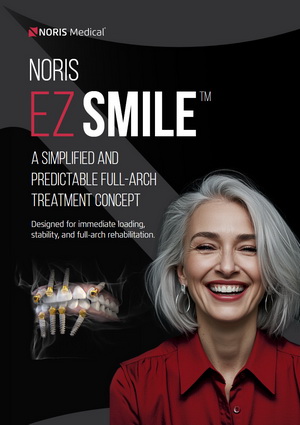
Noris EZSmile™ is a simplified and predictable full-arch treatment concept designed to support immediate loading, stability, and full-arch rehabilitation through a unified surgical and restorative workflow.
Is Noris EZSmile™ designed for immediate loading?
Yes. The EZSmile™ page explicitly presents the concept as designed for immediate loading, and the workflow section also includes Immediate Provisionalization (Optional) based on clinical stability.
What makes Noris EZSmile™ different from other full-arch workflows?
EZSmile™ is built around one restorative platform, one surgical kit for full-arch procedures, and a consistent prosthetic interface throughout the case, helping create a more efficient and reproducible workflow from implant placement to final restoration.
Which implant platforms are included in the Noris EZSmile™ concept?
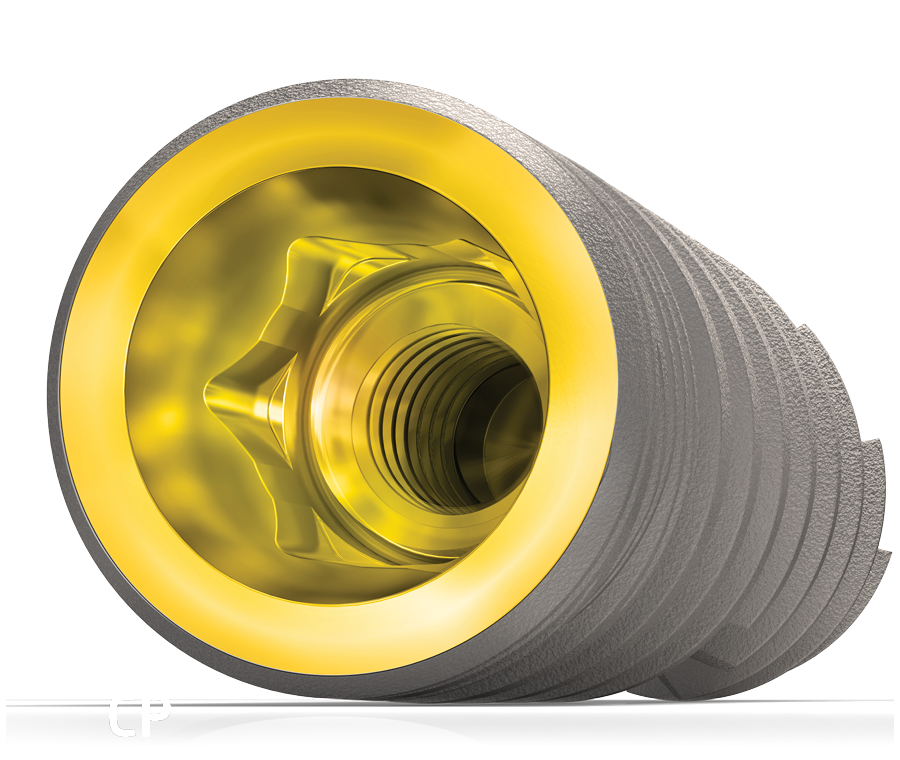
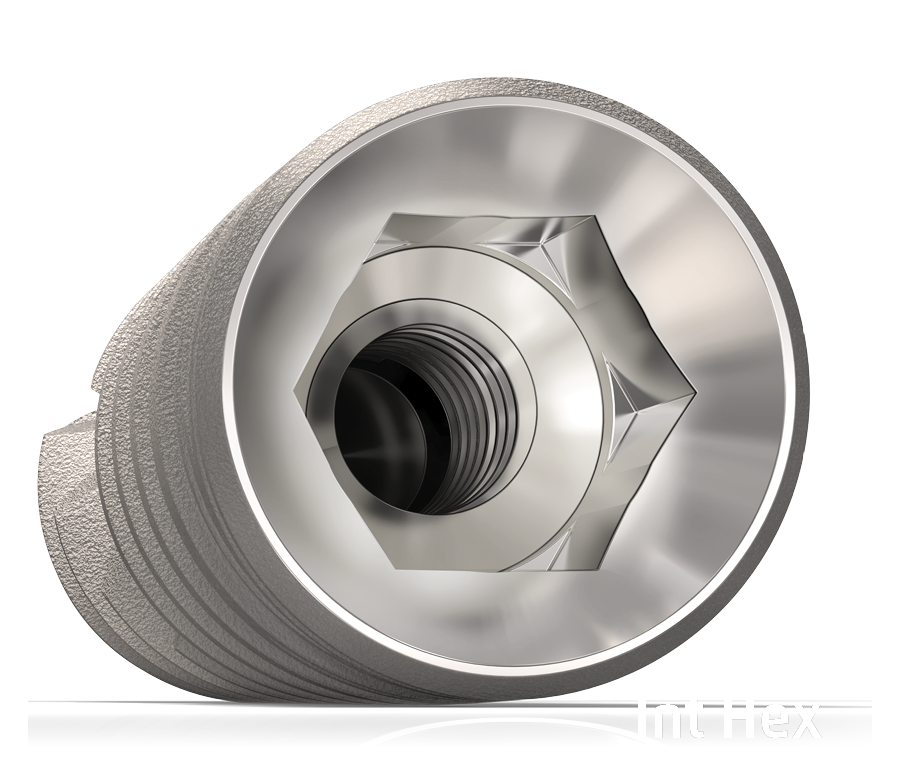
The EZSmile™ solution includes two main implant platform options: TUFF™ UniCon, based on a conical connection, and TUFF™ Internal Hex, based on an internal hex connection.
What is the difference between TUFF™ UniCon and TUFF™ Internal Hex in EZSmile™?
TUFF™ UniCon is presented as an advanced conical connection designed to enhance mechanical stability, load distribution, and soft tissue preservation, while TUFF™ Internal Hex is positioned as a proven connection concept offering mechanical reliability, restorative flexibility, and long-term clinical performance.
How many implants are typically used in the EZSmile™ full-arch workflow?
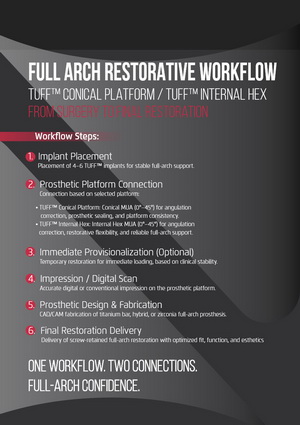
According to the workflow section, the EZSmile™ protocol includes placement of 4–6 TUFF™ implants to provide stable support for a full-arch restoration.
Does Noris EZSmile™ support digital workflows?
Yes. The page states that EZSmile™ supports both digital and conventional restorative approaches, including digital scan, CAD/CAM fabrication, and access to CAD/CAM Libraries.
What prosthetic solutions are used in the EZSmile™ workflow?
EZSmile™ includes both the MUA CP System for the conical platform and the MUA Int. Hex System for the internal hex platform, both designed to support screw-retained full-arch restorations.
What angulations are available in the EZSmile™ MUA systems?
The MUA CP System is available in 0°, 17°, 30°, 45°, and 52°, while the MUA Int. Hex System is available in 0°, 17°, 30°, 45°, 52°, and 60°.
What are the main steps in the Noris EZSmile™ restorative workflow?
The main workflow steps include implant placement, prosthetic platform connection, immediate provisionalization when applicable, impression or digital scan, prosthetic design and fabrication, and final restoration delivery.